All in-game footage in this blog post comes from an EA beta build and may differ from the final game.
Dear Vagabond,
As you know, times have changed a bit since we last saw you. Things can indeed change during the production of a game! At Apog Labs, we sometimes seem to pivot at the speed of light!
Jokes aside, here at the studio, we are trying to stay as flexible as possible in order to quickly adapt to changes in both the development of the game and the world around us. For example, it is no secret that the games industry has gone through a lot changes and challenges during the last couple of years. Even though we try to stay agile, the bigger the project becomes, the harder it is to pivot quickly. Think of it like steering boats: It takes a lot more force and time to change the course of a large cruise ship as opposed to a skiff. During the span over the years, ATMOSFAR has grown, and is now closer to a ship rather than a row boat.
In this dev blog, we’ll talk a bit about the bittersweet delay, as well as dive a bit deeper into some of the aspects of the game that we’re working thoroughly with right now.
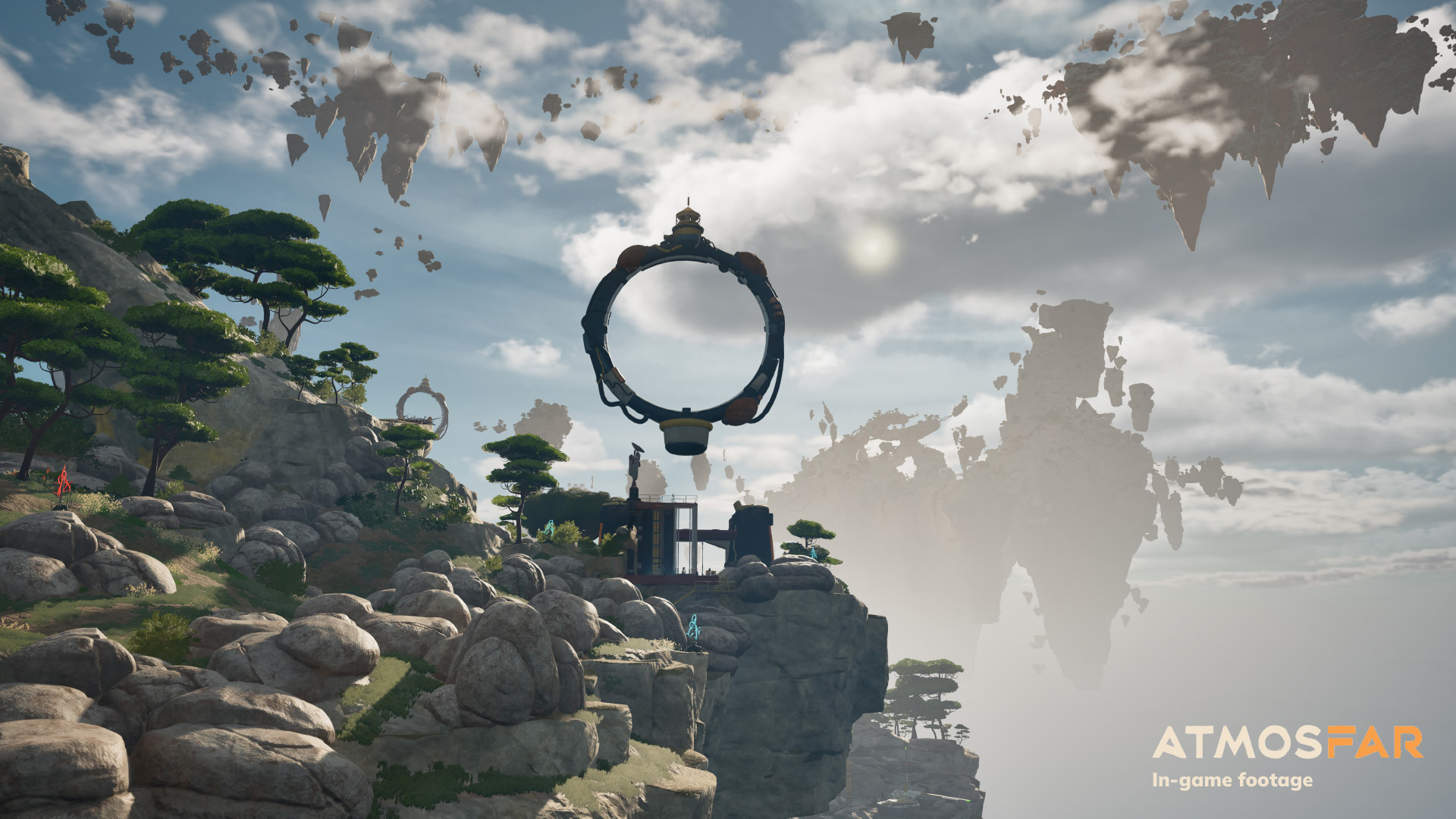
The delay. Could we have used a more inspiring and positive heading? Yes. But let’s call things for what they are! A delay is a delay. Nothing more, nothing less.
Enough about headings! Yes, we delayed ATMOSFAR. It happened.
Why did we delay ATMOSFAR? Well, as we explained in our delay message, it simply boiled down to that we weren’t quite satisfied with the state that the game was currently at. It was playable, sure, but when putting down years of planning and development, we naturally want to give ATMOSFAR the time, care and attention it needs in order to blossom into the experience we’ve envisioned all this time. The decision was not only done with the game’s vision in mind. All of you Vagabonds also played a big part when we decided on how to move forward with the game.
“But!” You say, “We never asked you to delay the game!”. It’s true! You didn’t!

Creating ATMOSFAR means that we are making our vision come to life. A large part of that vision is to create something that will give players an exciting, immersive and challenging experience, something that they’ll want to play and advance in. One of the most rewarding things as a developer is to have external people partake in and enjoy what you’ve created for them. To put it short: We are very keen on making your first impression of ATMOSFAR a good one. We want you to sincerely enjoy the world, with all its adventures, challenges and experiences. While we believe that you still would have enjoyed the game at its initial release date, we had identified a few aspects where we felt that further polishing would elevate the game even further, and thus making your first impression even better.
And… Uh, yeah. That pretty much sums it up. Making games is hard. The world is unpredictable. You’ve got to do what you think is best, and try your hardest.
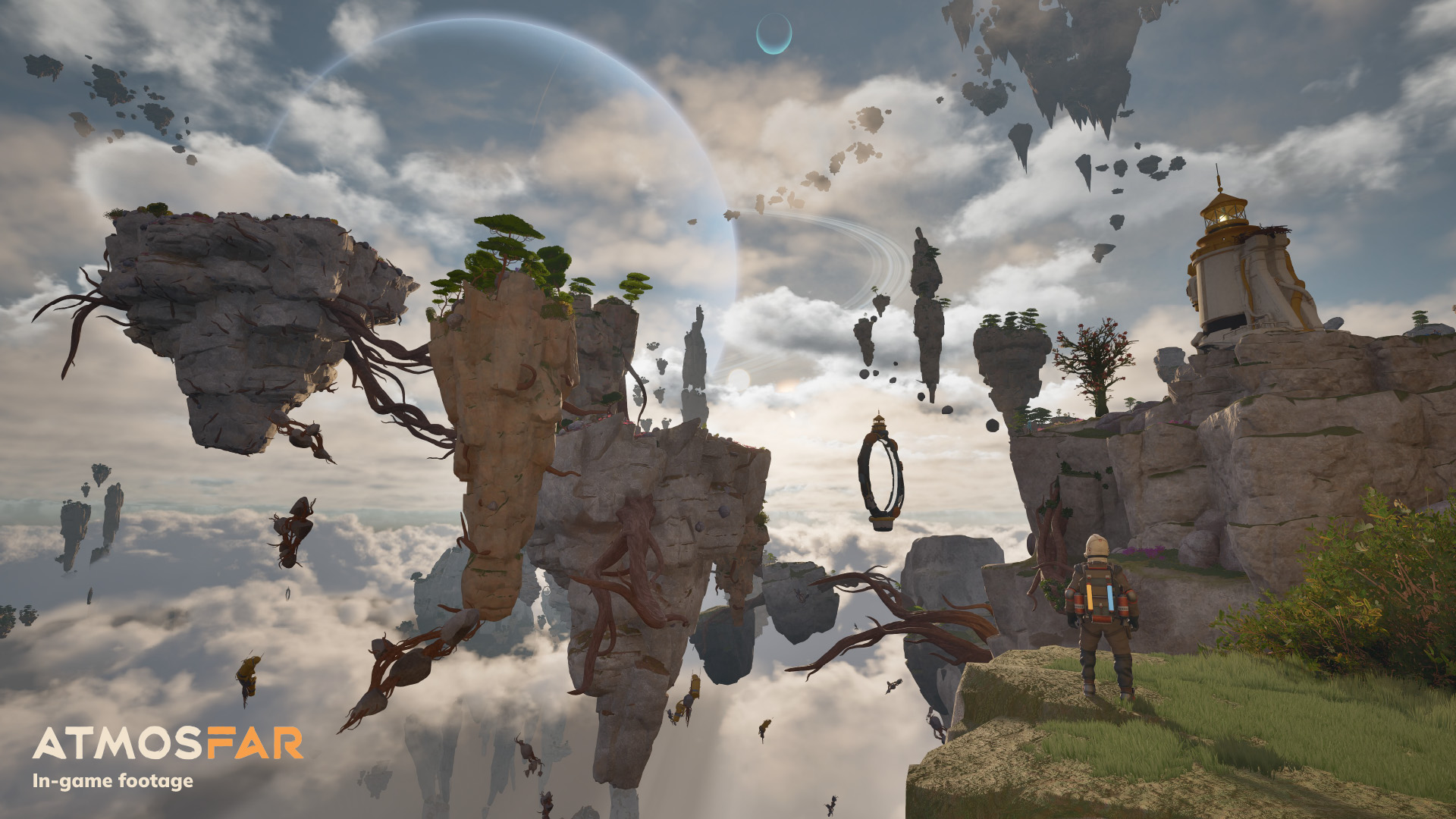
But on the topic of the delay, one thing that has become evident to us is that how much support and patience all of you have for us and for ATMOSFAR. Having a community like this, where communication and respect goes both ways, while the excitement and hype for the game brings us together, makes game development a hundred percent more fun! Reading all your comments, ideas and compliments genuinely makes us happy, and a lot of times we share your messages internally so that everyone at the studio gets to see all the nice things you say to us. What a joy it is to have a community like you! Thank you!
So, ATMOSFAR is bound to release in a few month’s time. What are we going to do in the meantime? Probably chill……. NOT!!!!
No, what we’ll do (and are are currently doing) is the good ol' classic “further polishing the game” like we’ve said so many times. But what does that mean, exactly?
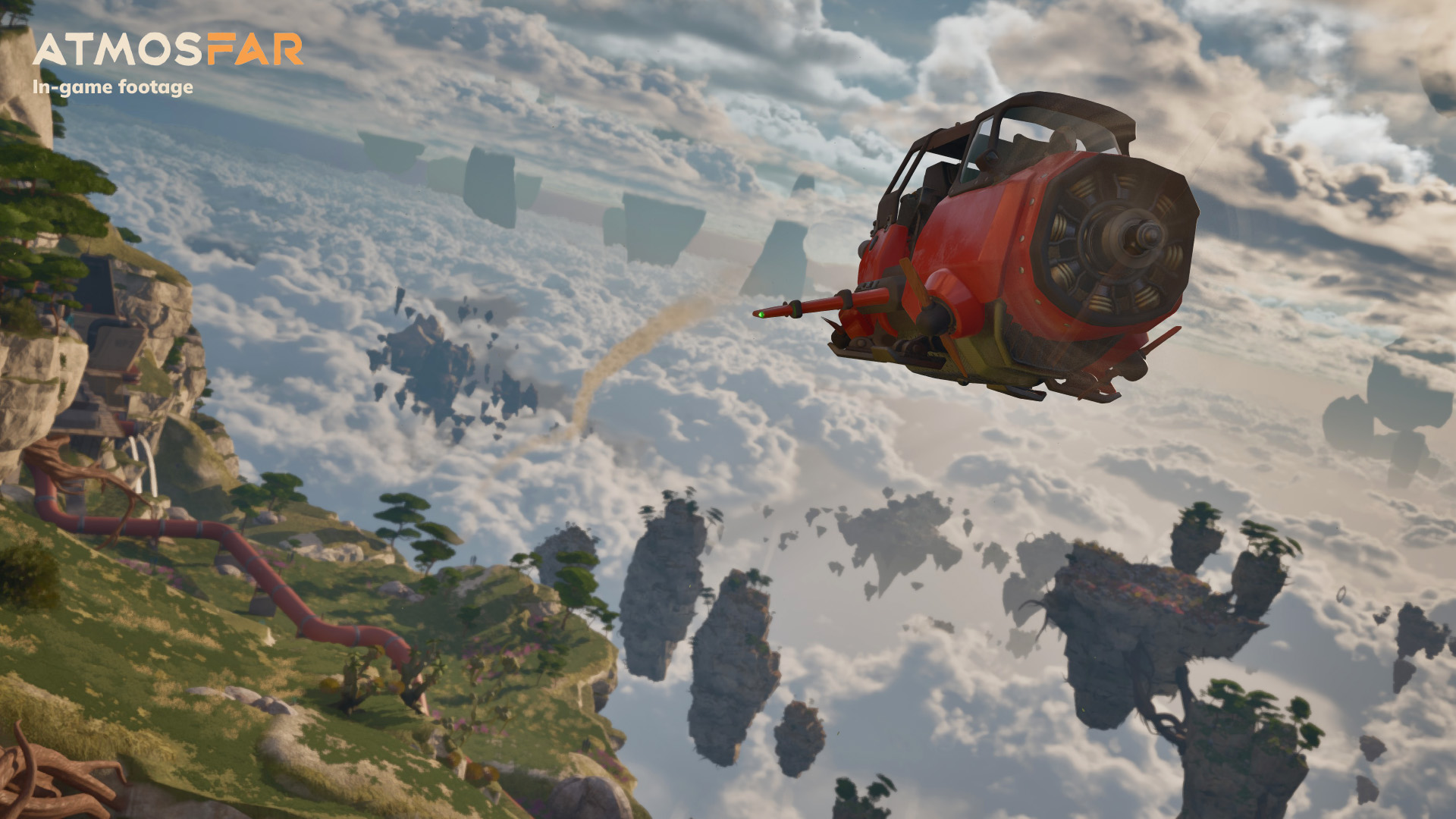
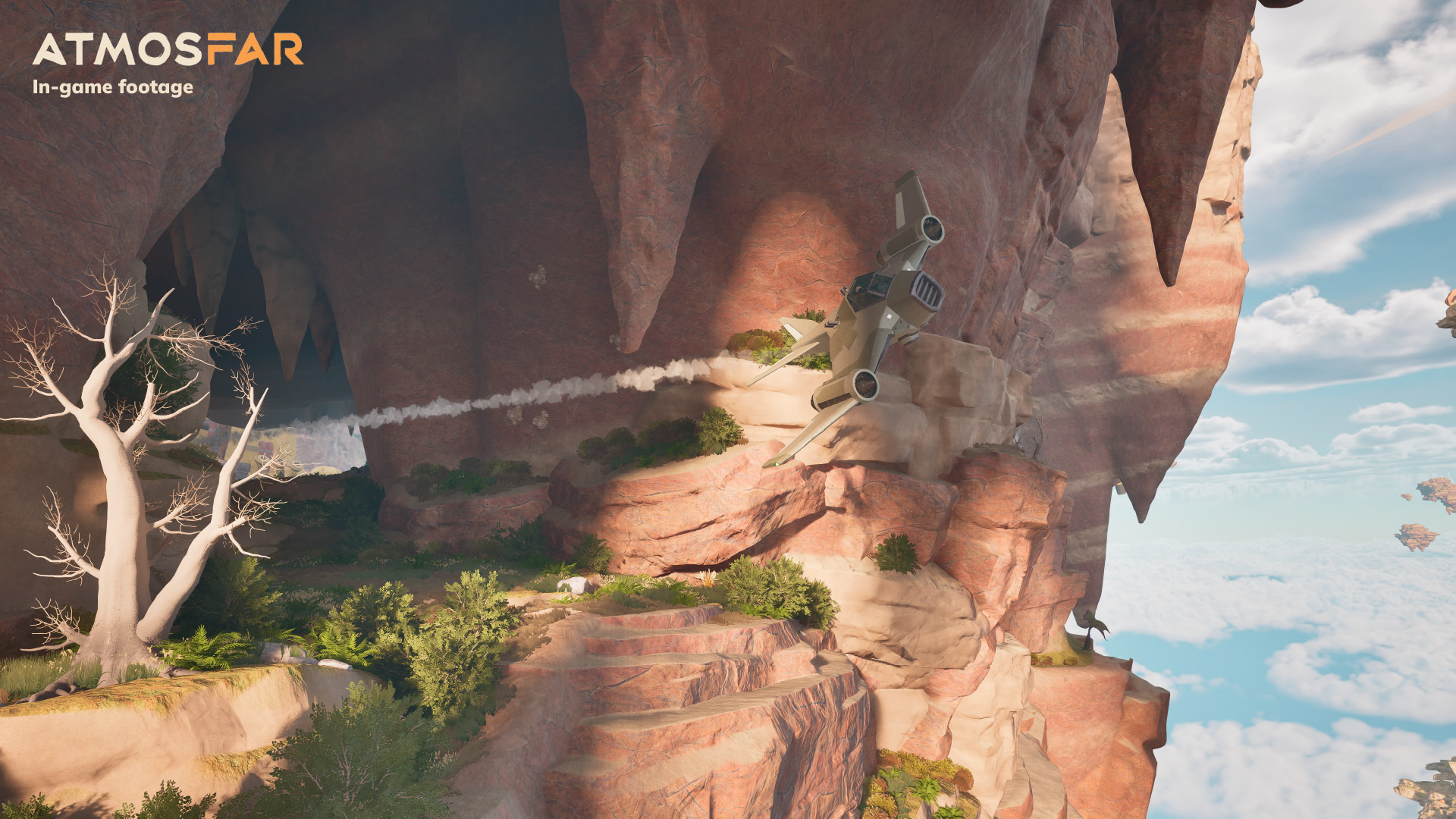
Well, it depends a bit on which aspect of the game you’re looking at. Code wise, we’re hunting down and smashing bugs. On the narrative side, we’re going over the last pieces of dialogue, objectives and journal entries to ensure that everything holds the standard we want before sending it off for localization. For concept art, we are going through all assets in the game to ensure that we have concepts for everything. Apart from these examples, there are about a million other aspects that we now are busy to asses. Is the gameplay challenging enough? Rewarding enough? Does it feel satisfactory to pilot a Wasp? Are the sound effects immersive? Is the UI intelligible? The list can be made long, and we are essentially going through all the aspects of the game to ensure that they hold the required and envisioned standard.
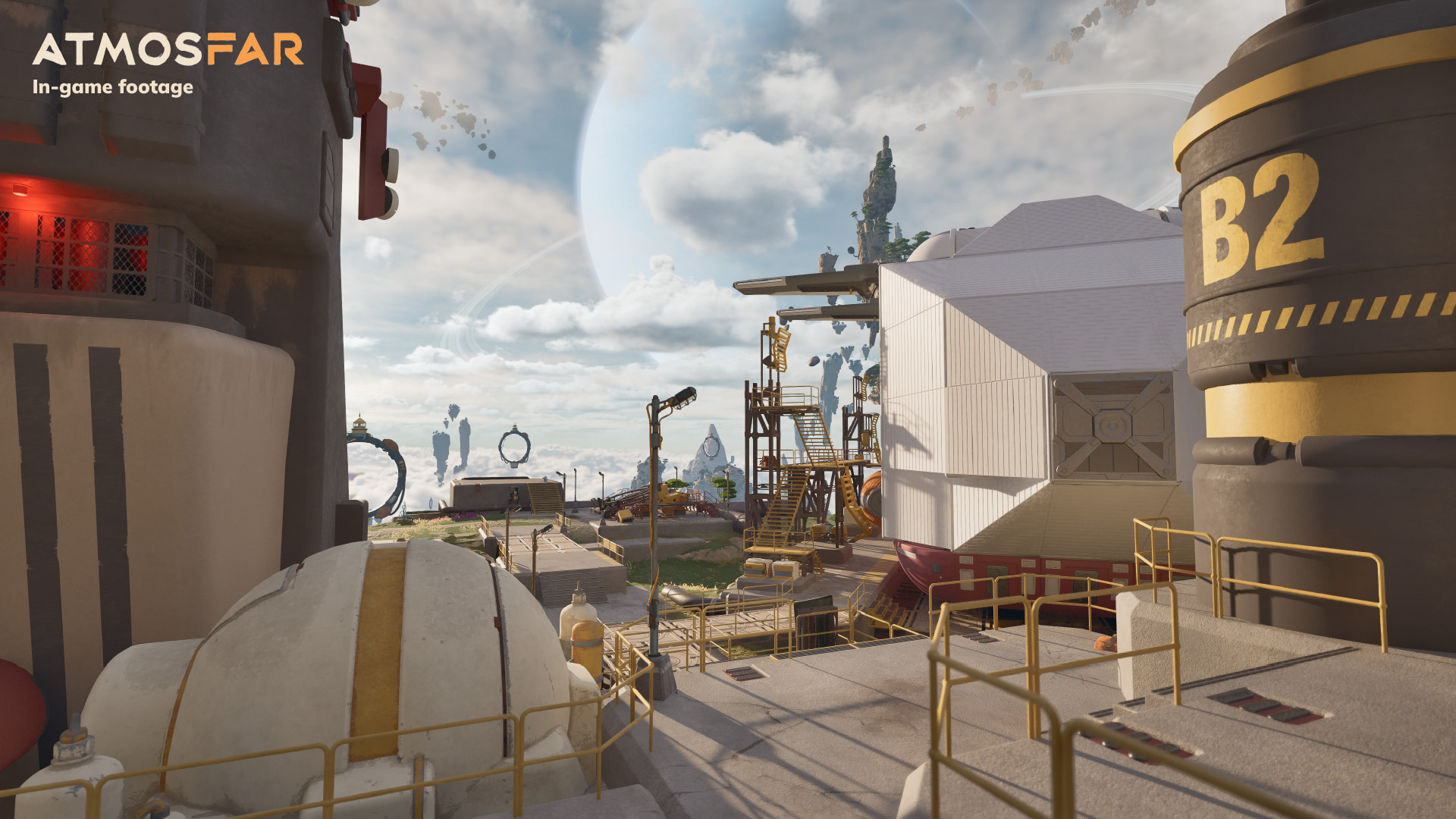
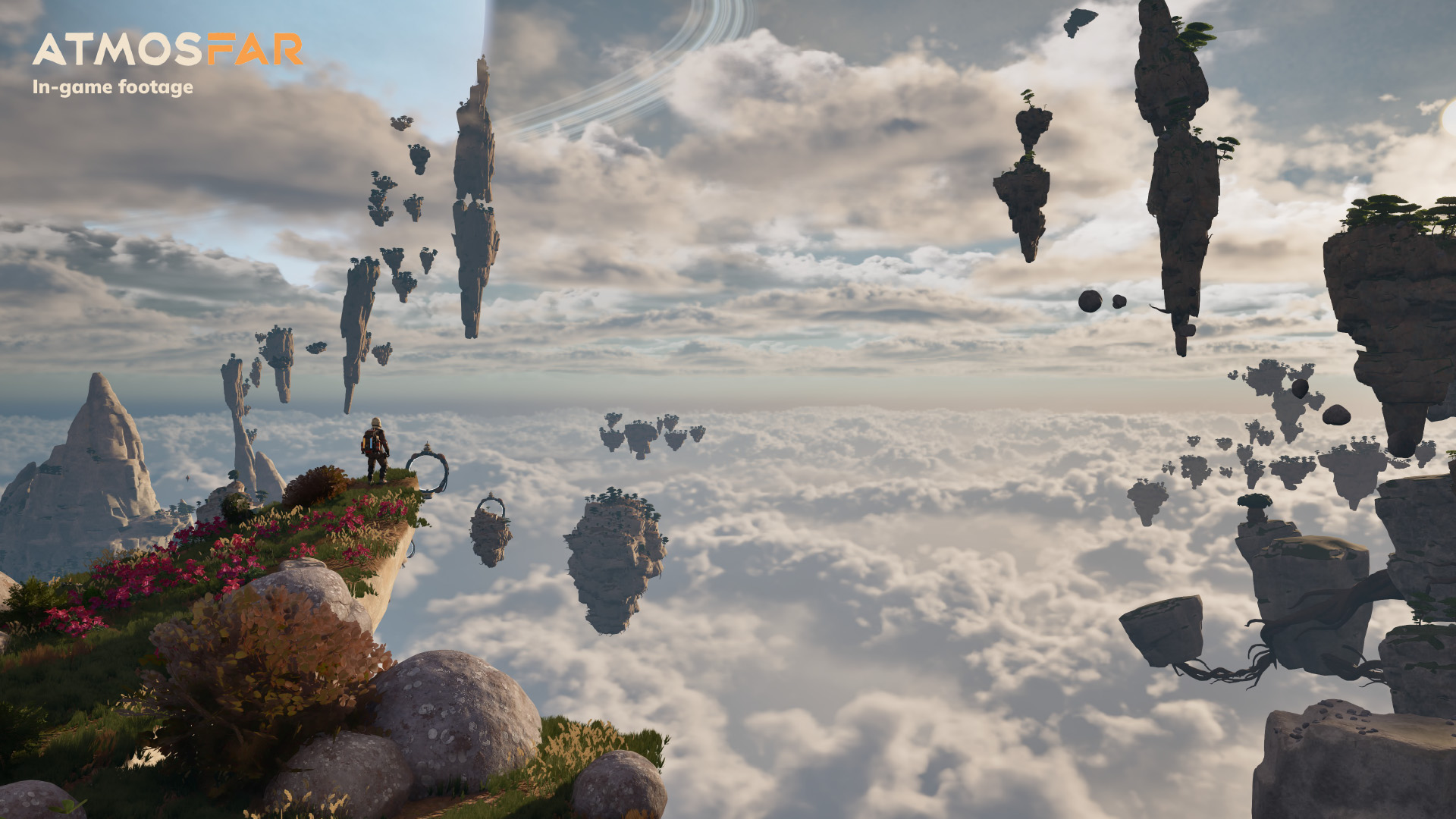
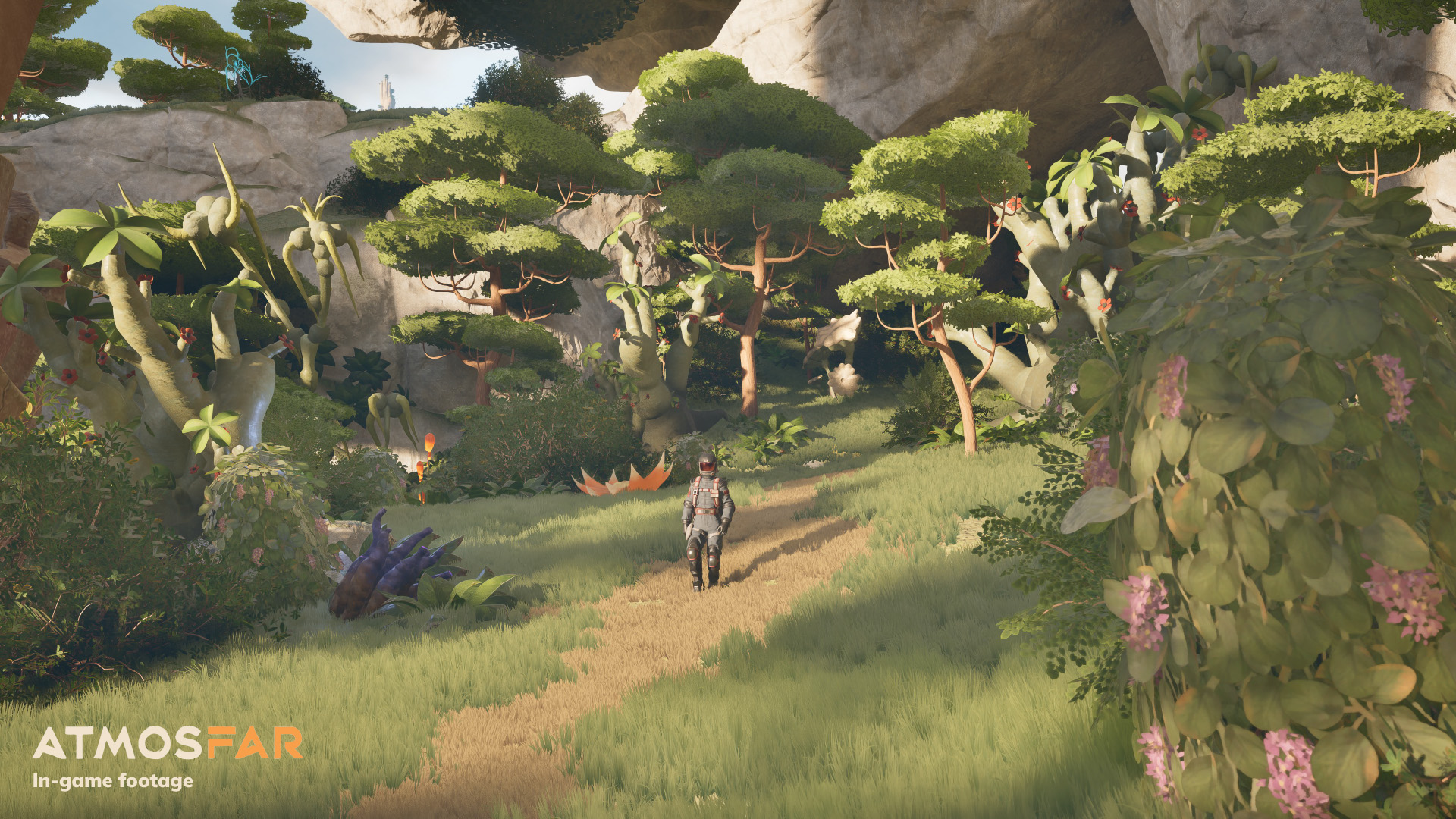
One quite large aspect that we’ve been working thoroughly with the last months, and will continue with up until the EA launch is level art. In this blog post, one of our skilled and creative Level Artists has shared her thoughts and ideas regarding this subject:
“At first glance level art may look like it's mostly about making environments beautiful and visually coherent. While aesthetics are certainly important, level art is actually much closer to a mix of architecture, path finding, and environmental storytelling. Just as architecture influences how people experience and move through a space, level art helps players understand, navigate, and interact with the world around them.
At its core, level art is about supporting gameplay. Through visual cues, landmarks, composition, and environmental storytelling, it helps communicate information, encourage exploration, and guide players naturally through the game world.
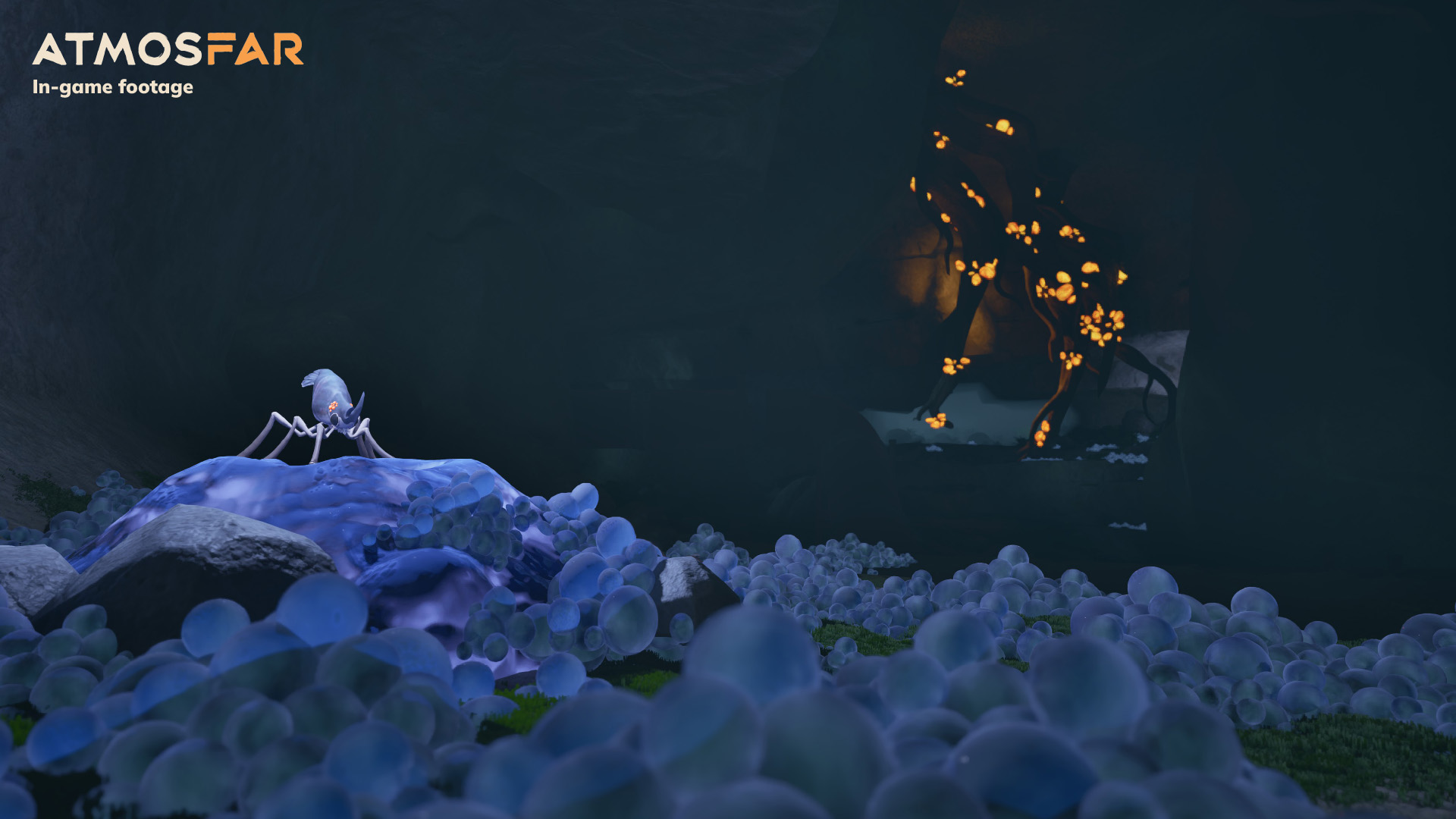
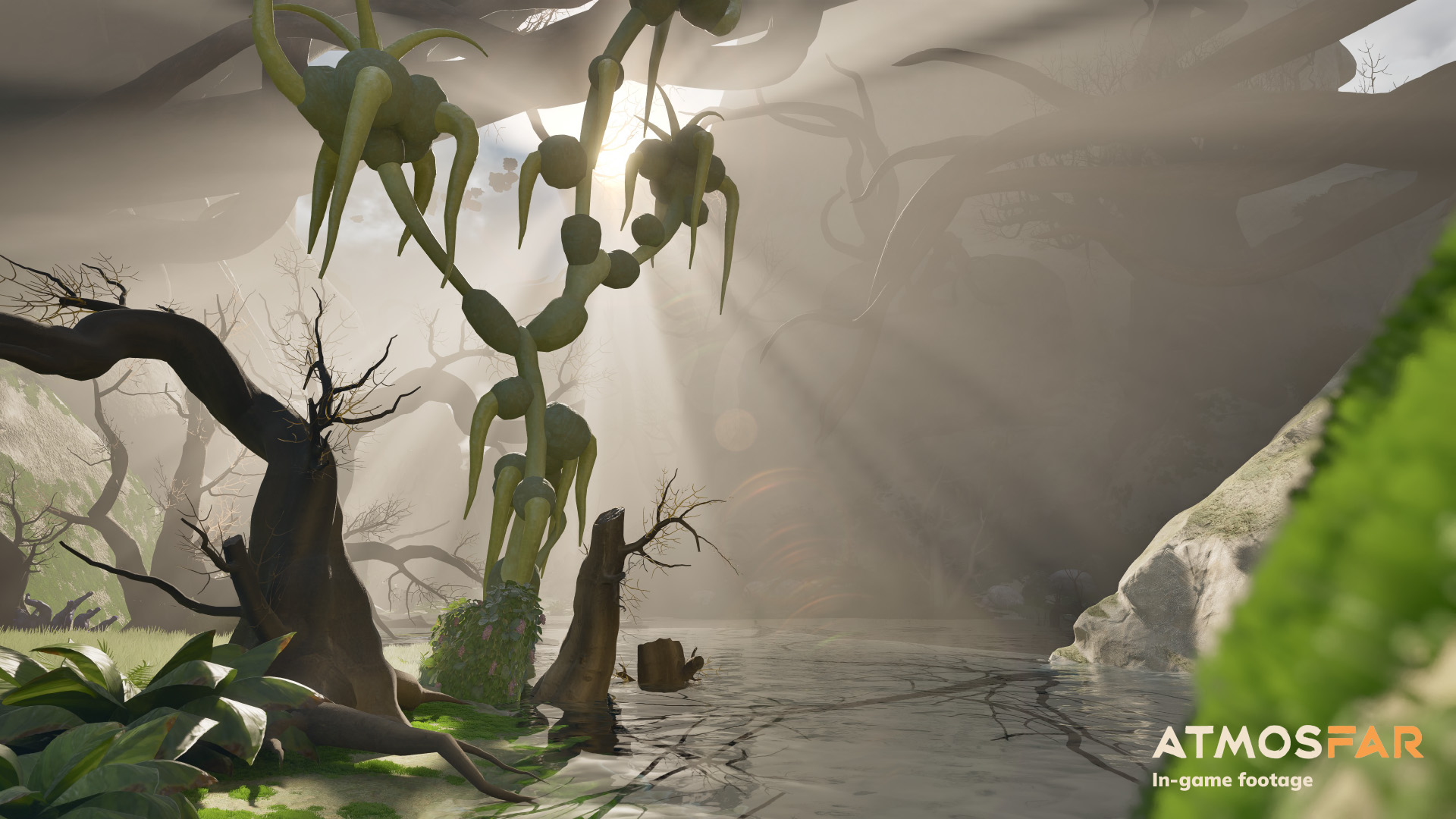
Every visual element in an environment has the potential to tell the player something. Is this biome dangerous? Does it contain valuable resources? Is there a hidden secret nearby? Good level art can answer these questions without relying on quest markers, pop-ups, or explicit instructions.
Gameplay always comes first. A Level Artist's role is to support the work of game and level designers by highlighting mechanics, drawing attention to important areas, and helping players understand what actions are available to them. Storytelling is also an important part of the process, but it comes after gameplay needs have been met. When level art is successful, players naturally understand where to go, what to investigate, and how to interact with their surroundings.
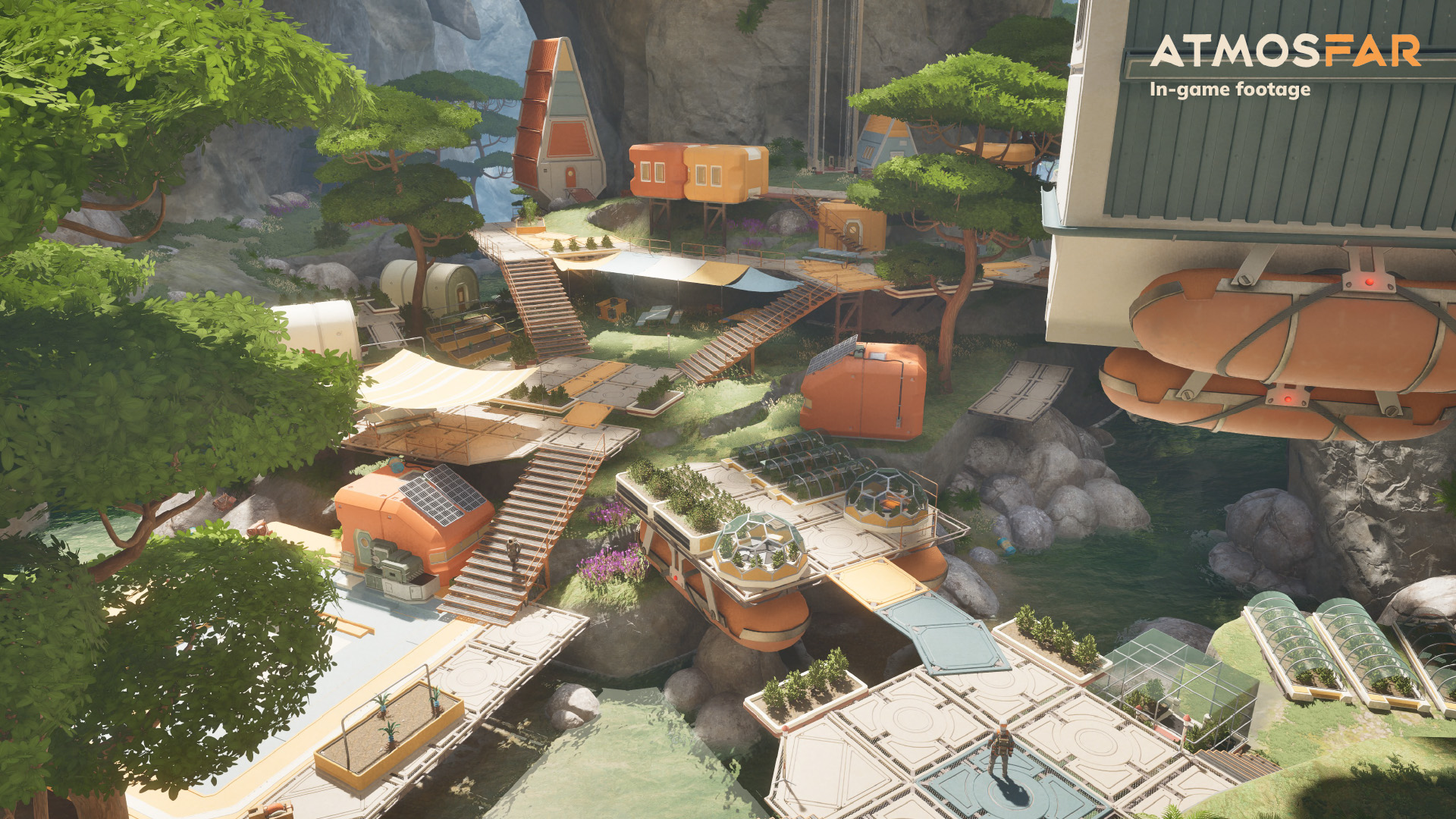
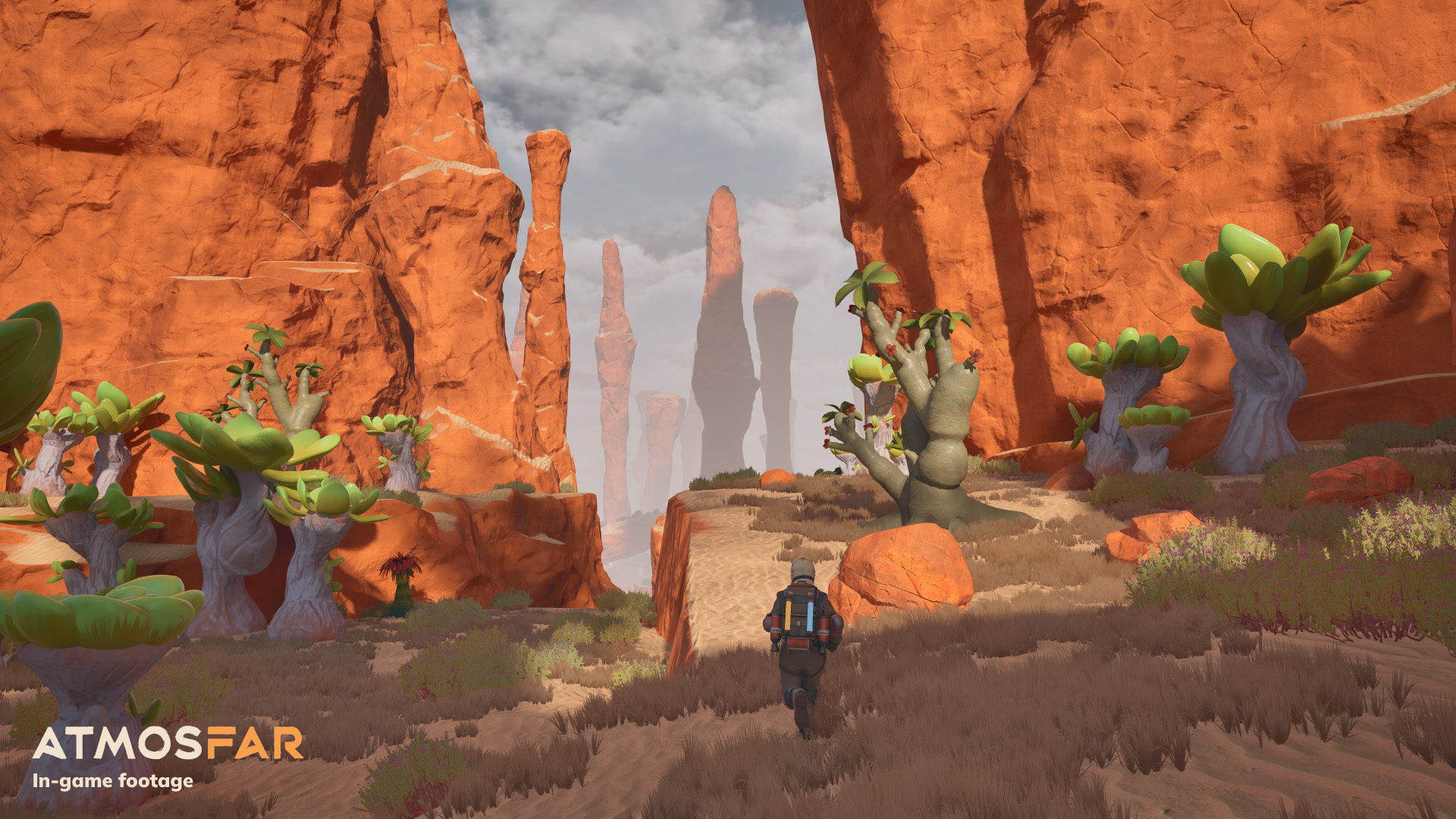
One of the most interesting challenges in level art is giving identity to areas that don't necessarily have a strong gameplay purpose or visual direction. In open worlds games, especially those without maps or GPS systems, players often rely on the environment itself to find their way. This means creating memorable landmarks and distinctive features that help players orient themselves and build a mental map of the world.
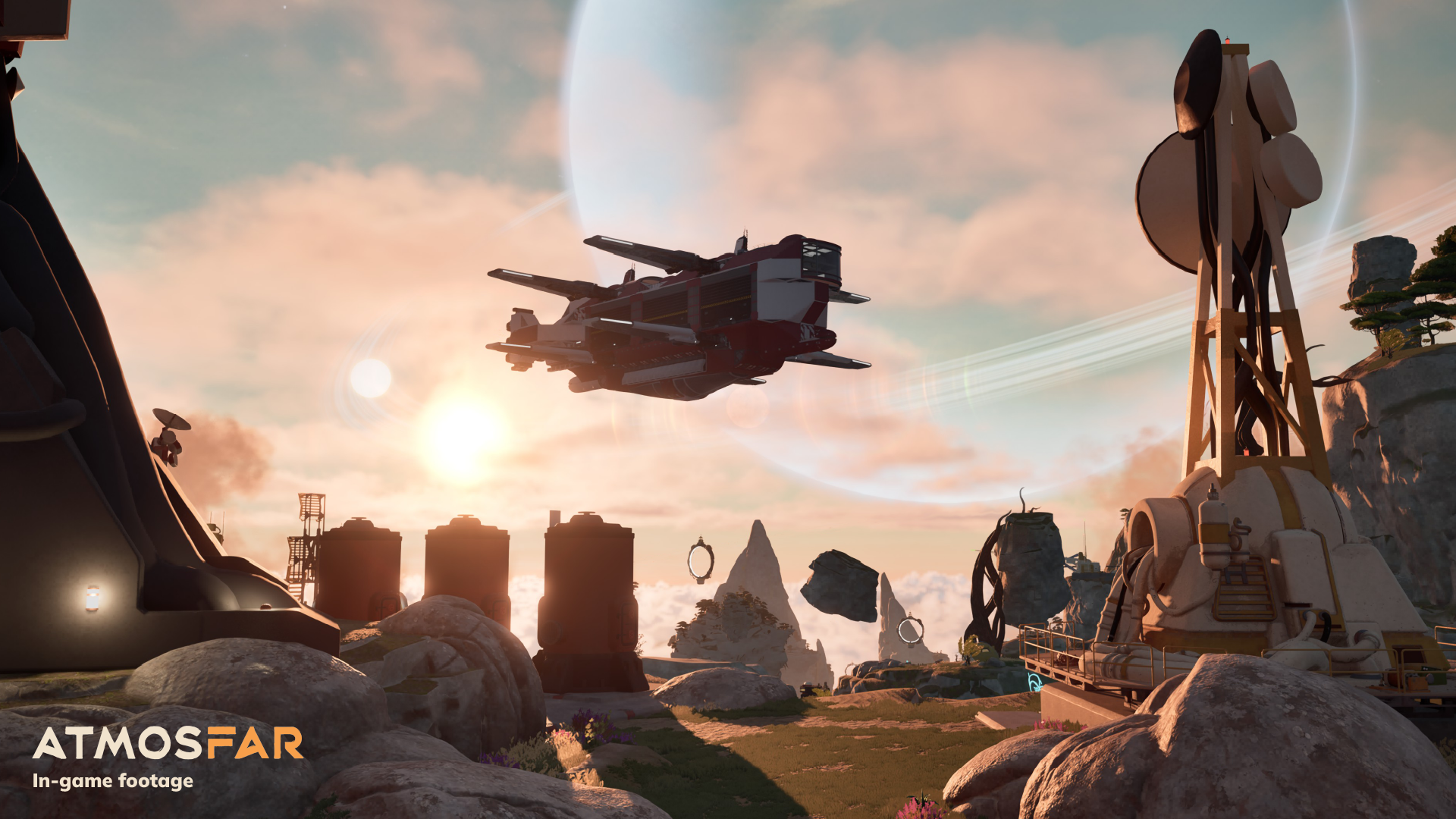
Landmarks and points of interest are powerful tools for achieving this. A large rock formation, an unusual tree, a ruined structure, or even a unique color palette can become a recognizable reference point. In a multiplayer setting, a player might tell a friend, “I just passed that huge strange-looking rock,” knowing they'll immediately understand which location they're talking about! These landmarks can also communicate gameplay information, hinting that a certain resource can be found nearby or that specific creatures spawn in the area.
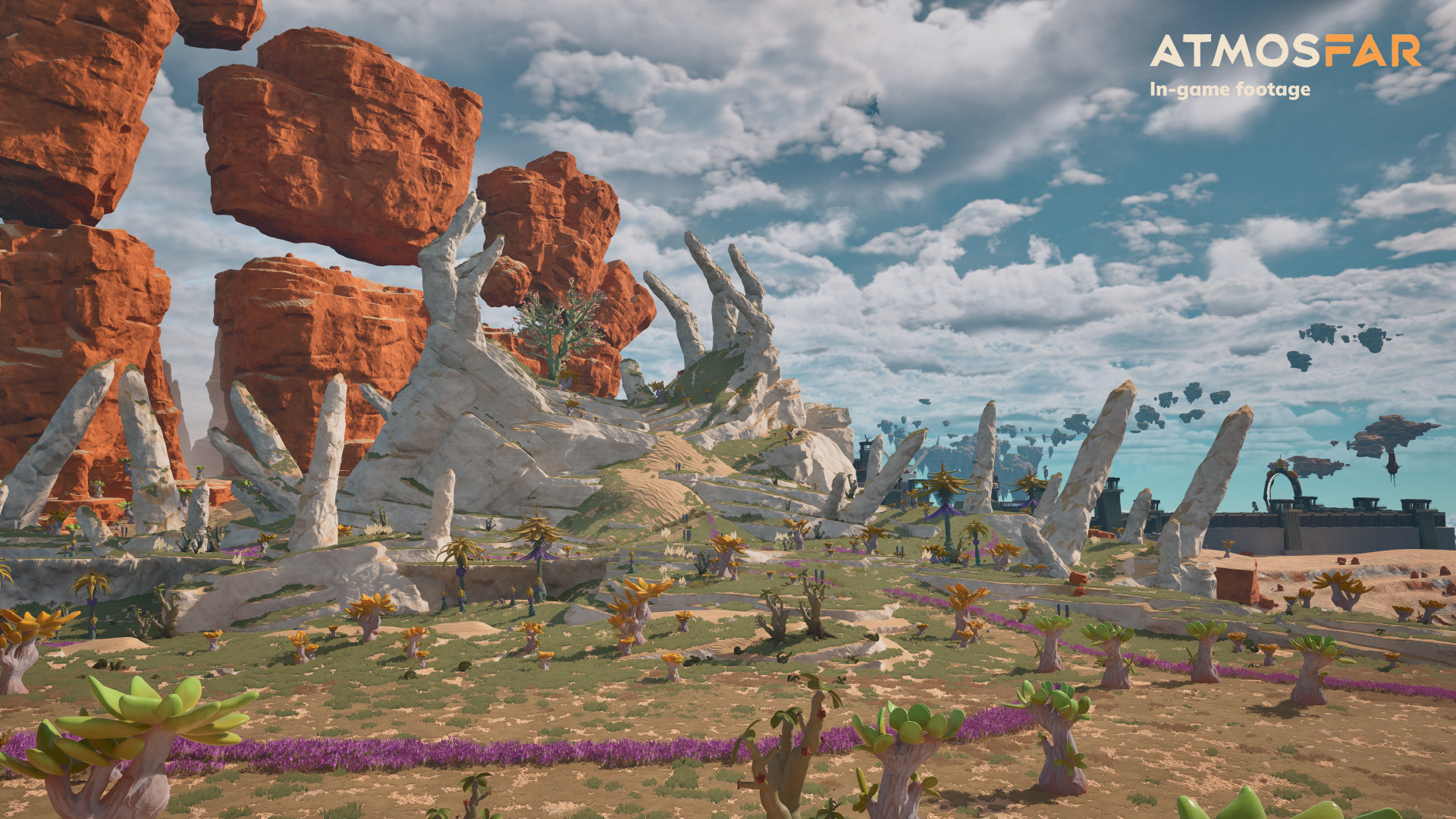
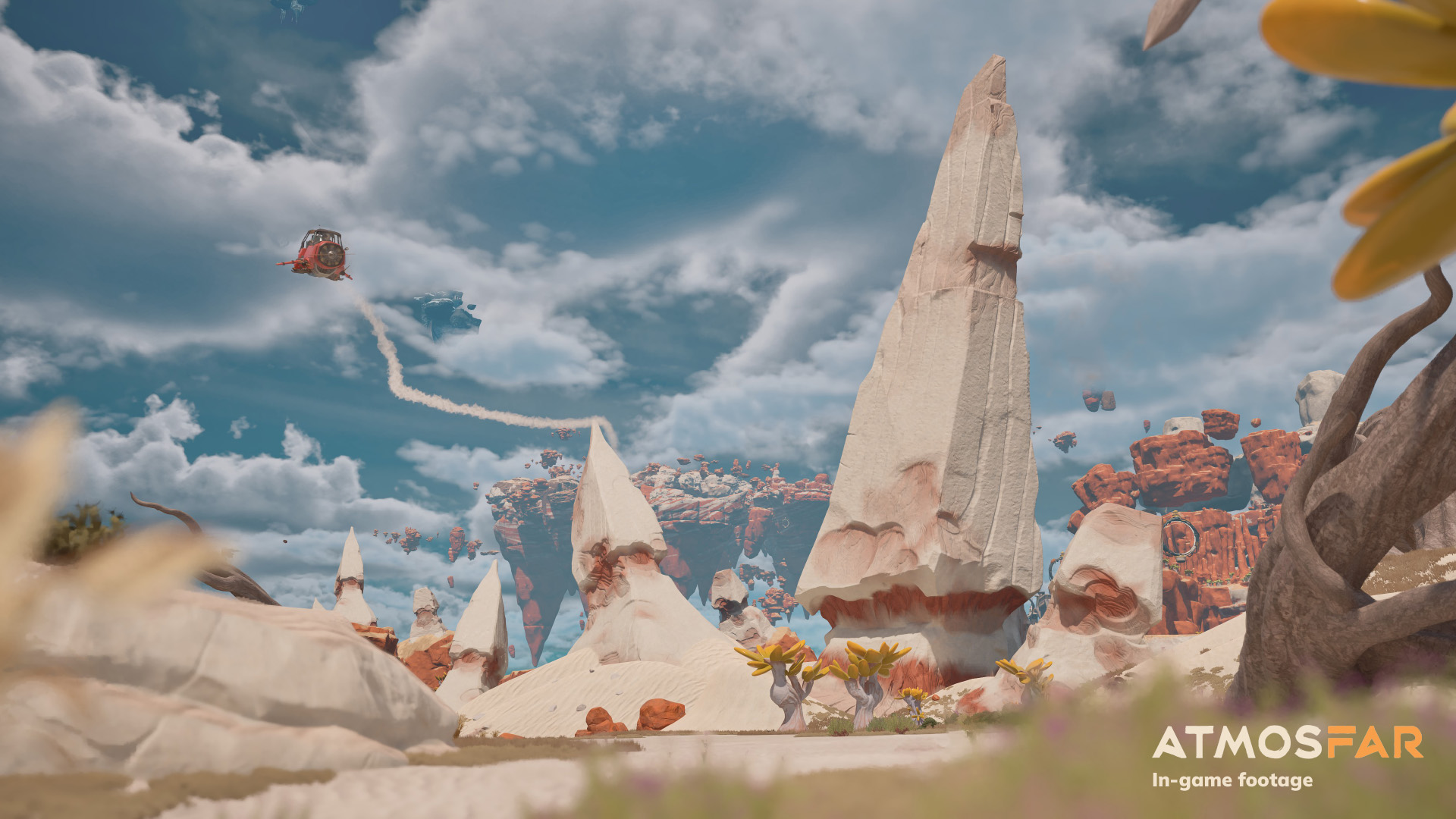
In that sense, set dressing, or level art, is about much more than making an environment look good. Every prop, structure, and visual detail can contribute to the player's understanding of the world. Level art supports both game design and level design by helping players navigate, discover opportunities, and better understand their surroundings. Sometimes this guidance is direct, while other times it's subtle, encouraging players to observe, explore, and make discoveries for themselves.
Ultimately, level art acts as a bridge between design and player experience. It translates gameplay intentions into visual language, helping players intuitively understand and engage with the world around them. Through landmarks, composition, environmental storytelling, and visual guidance, level art does far more than decorate a space: It gives the game world meaning, direction, and identity.
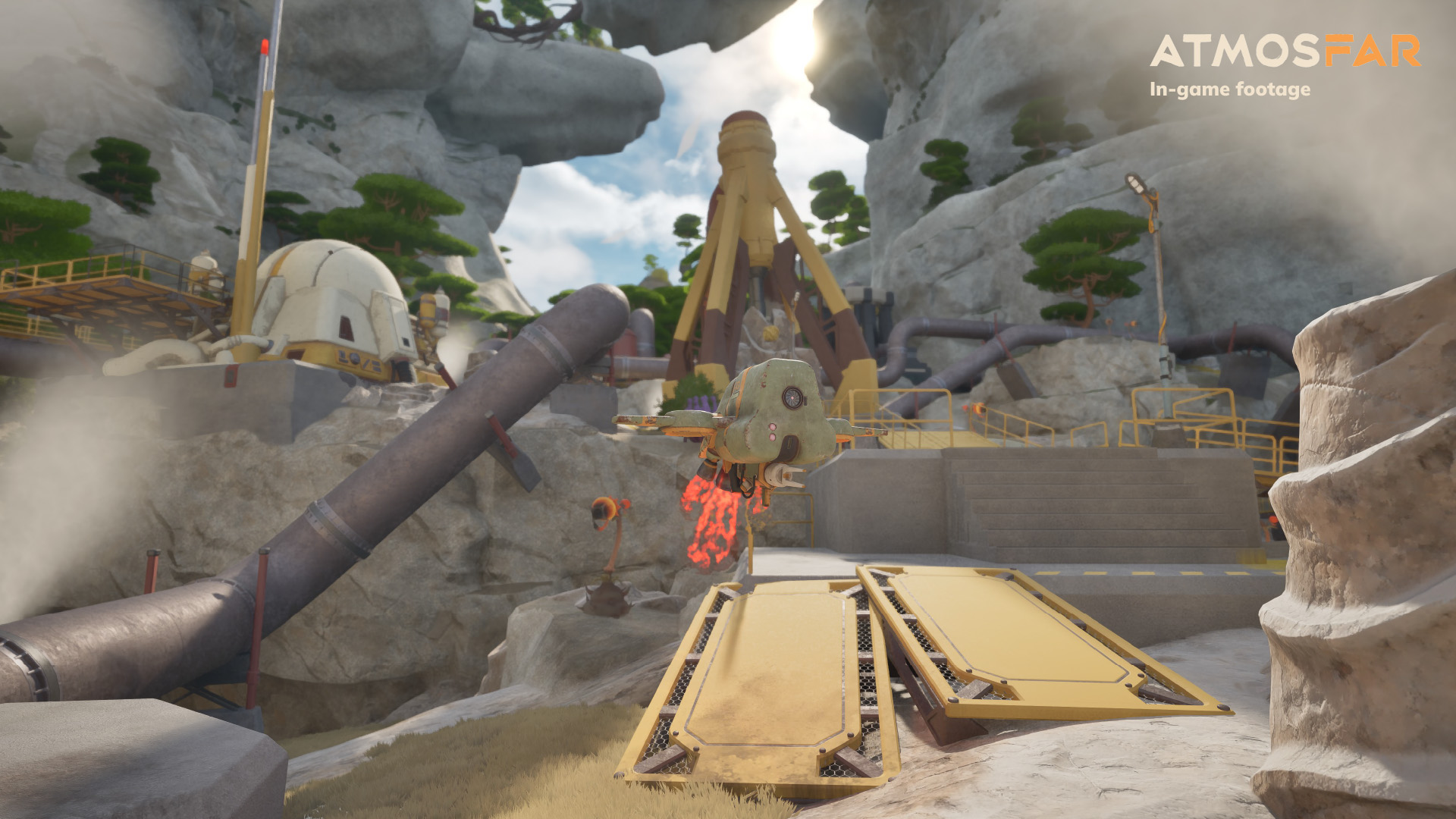
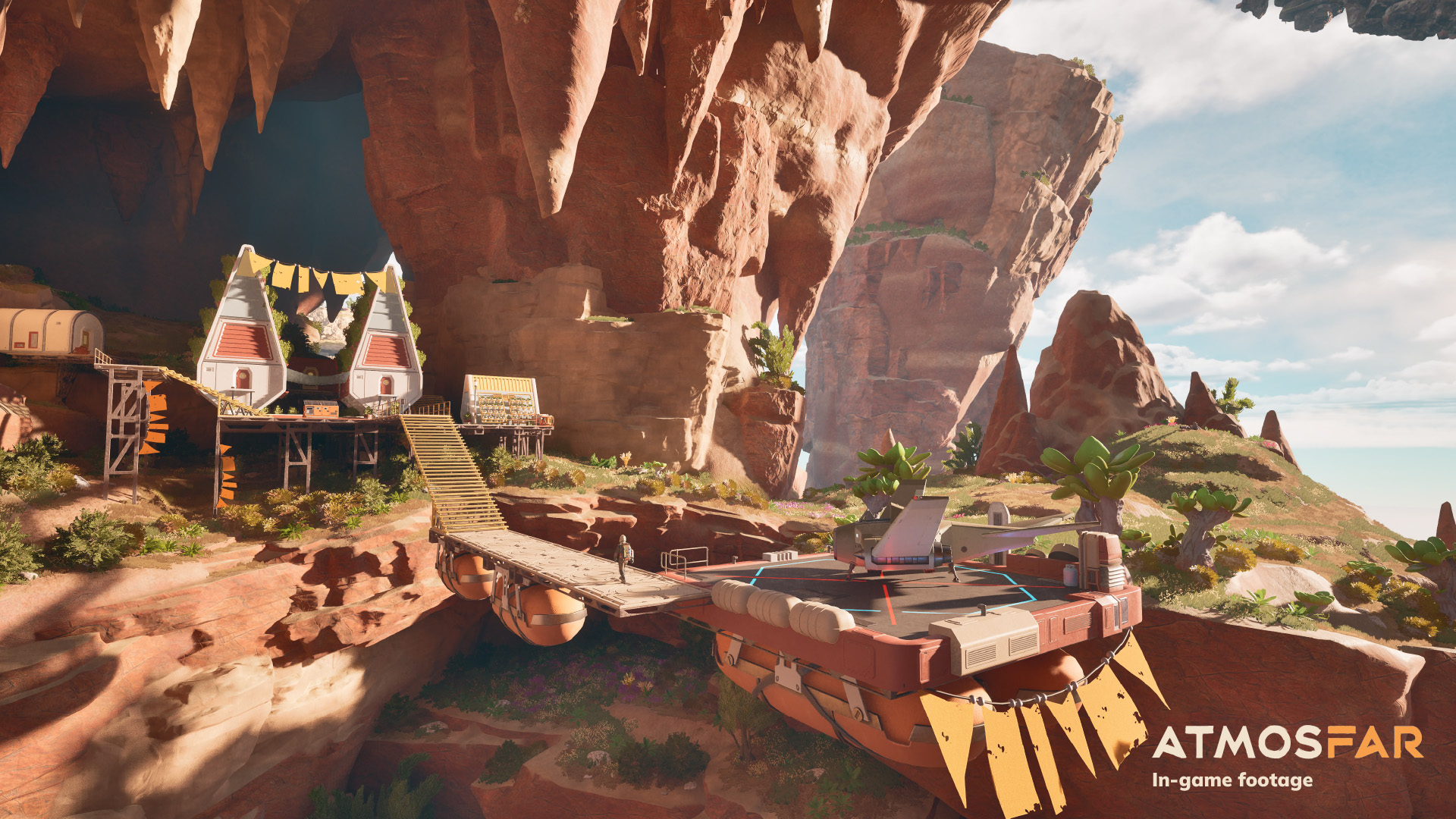
I can’t wait to see all of you Vagabonds discover the hidden wonders and challenges that Tycos has in store! Even I still struggle in this world, getting lost more than once in its endless caves, countless crevasses and secret locations that are still waiting to be discovered. When you reach Tycos, remember to stay aware of your surroundings!“
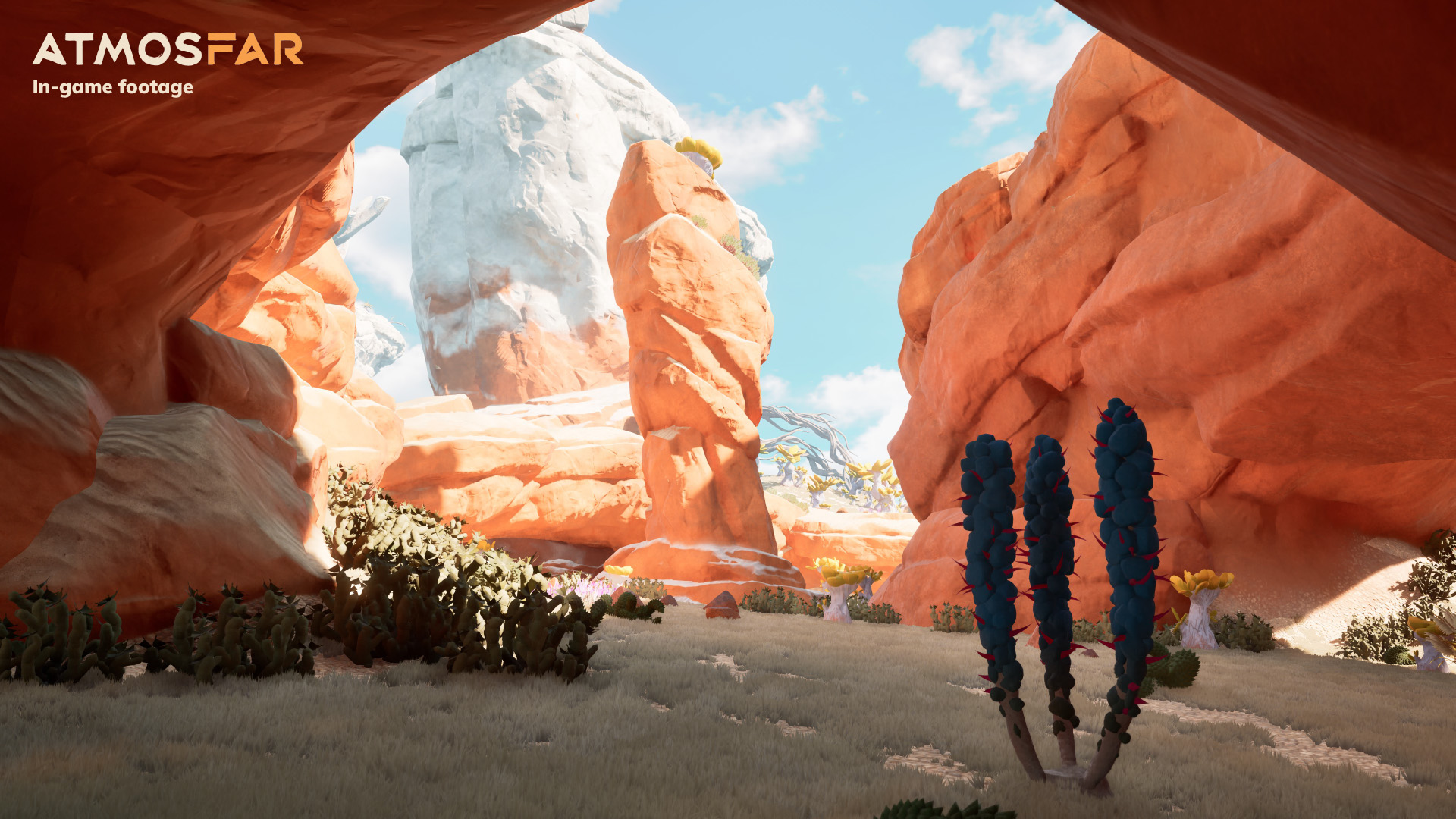
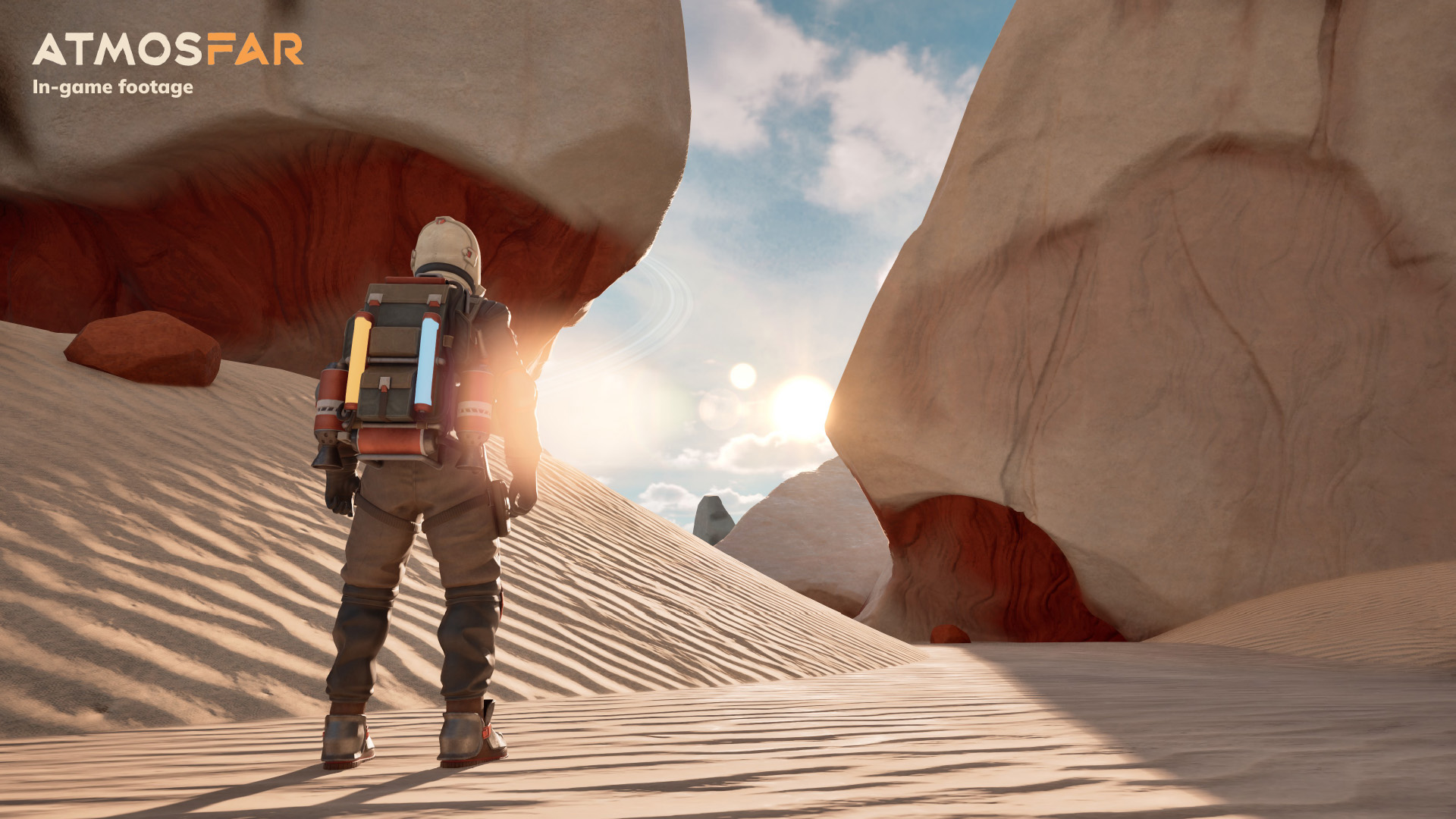
Now that was an impressive crash course in level art!
Gazing into the future of ATMOSFAR is like gazing out over the horizon. What’s hiding in the distance? Success? Turbulence? Something else? We simply don’t know until we get there. But with members like this on our team, with this level of knowledge, strategy and creativity, we feel confident that the vision we have for ATMOSFAR will come to life. And then we’re sincerely hoping that all of you will like the vision as much as we do. But that’s another story!
Thank you all for the patience and hype you’re giving us. We are looking forward to the release as much as all of you! In just a few month’s time, you’ll be able to explore all the hidden secrets, caves and crevasses that we’re preparing for you right now!
Until then, we’ll catch you up in the skies. Keep the blue side up!
// Apog Labs